



Spread Anchor Supplier: How to Buy High Quality Spread Anchors?
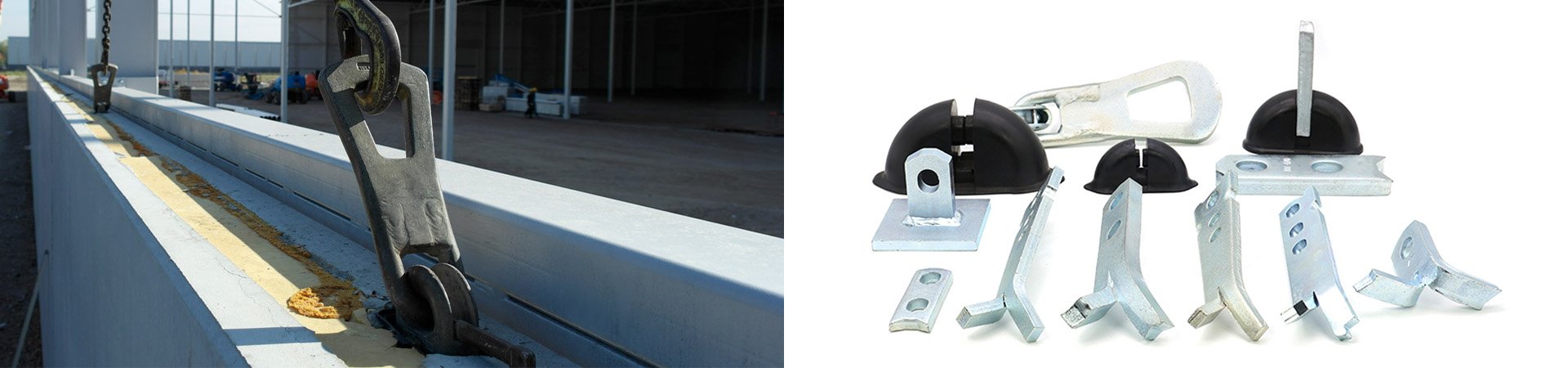
In the precast concrete industry, lifting safety starts long before the crane leaves the ground. Every lifting operation depends on components that many people rarely notice, yet they play a critical role in preventing accidents and keeping projects on schedule. One of these components is the Spread Anchor.
When engineers, contractors, and procurement managers search for a reliable Spread Anchor Supplier, they are not simply comparing prices. They are looking for a supplier that can deliver consistent quality, technical expertise, and dependable support throughout the entire project.
Choosing the wrong supplier may result in installation difficulties, damaged concrete elements, costly delays, or even lifting failures. This guide explains what a Spread Anchor is, why quality matters, and how to choose a supplier you can trust.
Why Spread Anchors Deserve More Attention
Although a Spread Anchor is relatively small compared to the concrete element itself, it carries enormous responsibility during lifting.
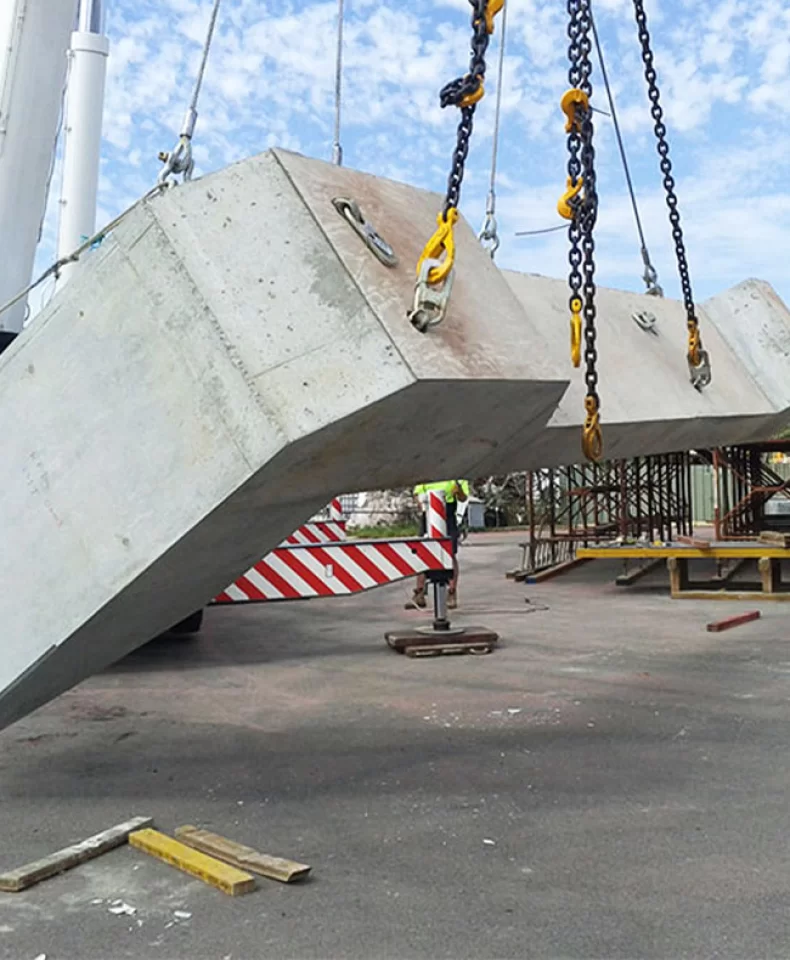
Before a precast component becomes part of a completed structure, it may be lifted several times during production, storage, transportation, and installation. During each lifting operation, the anchor must safely transfer dynamic loads into the concrete without causing cracking or failure.
If an unsuitable anchor is selected, several problems may occur:
Uneven load distribution
Concrete edge damage
Excessive stress around the embedment area
Difficult installation
Project delays
Increased safety risks
Many purchasing teams focus only on the rated load capacity. However, experienced engineers know that successful lifting depends on much more than a number in a catalog.
The anchor must match the concrete thickness, reinforcement layout, lifting angle, lifting direction, and the entire lifting sequence.
A Spread Anchor Is Part of a Complete Lifting System
One of the biggest mistakes buyers make is treating the Spread Anchor as an independent product.
In reality, it is only one component within a complete lifting system.
A successful lifting operation depends on the proper interaction of:
Spread Anchor
Lifting Clutch
Reinforcement
Recess Former
Concrete Strength
Rigging Equipment
Crane Operation
Even a premium-quality anchor cannot perform safely if it is installed incorrectly or paired with incompatible lifting accessories.
This is why professional suppliers do more than manufacture hardware—they help customers select the right lifting solution for each project.
What Makes a High-Quality Spread Anchor?
Not every Spread Anchor offers the same level of performance. Manufacturing quality has a direct impact on lifting safety and long-term reliability.
High-Strength Materials
Reliable Spread Anchors are manufactured from carefully selected high-strength alloy steel. Proper material selection ensures excellent tensile strength, toughness, and fatigue resistance under repeated lifting operations.
Surface treatments such as zinc plating, hot-dip galvanizing, or customized protective coatings also improve corrosion resistance for demanding environments.
Precision Manufacturing
Accurate dimensions are essential for proper installation and compatibility with lifting clutches.
Professional manufacturers use advanced forging, CNC machining, precision welding, and controlled heat treatment processes to maintain consistent product quality across every production batch.
Small dimensional variations may seem insignificant, but they can create installation problems or reduce lifting performance.
Comprehensive Quality Inspection
Every production stage should be carefully monitored.
A professional quality control process typically includes:
Raw material inspection
Dimensional inspection
Mechanical property testing
Surface finish inspection
Packaging inspection
Batch traceability
Strict inspection helps ensure every anchor performs exactly as expected when it reaches the job site.
Key Factors to Consider Before Buying Spread Anchors
Selecting the right Spread Anchor requires understanding your project's actual lifting requirements rather than simply choosing the highest load capacity.
Understand Your Application
Before requesting a quotation, buyers should identify:
Concrete element dimensions
Concrete strength
Expected lifting load
Number of lifting points
Lifting direction
Safety factor requirements
Installation environment
Providing this information allows suppliers to recommend the most suitable anchor instead of offering a generic product.
Verify System Compatibility
A Spread Anchor should always be compatible with:
Matching lifting clutch
Recess former
Reinforcement arrangement
Concrete geometry
Planned lifting sequence
System compatibility improves lifting efficiency while reducing installation risks.
Request Technical Documentation
Professional suppliers should provide comprehensive technical information, including:
Product drawings
Load tables
Installation guidelines
Material certificates
Test reports
Quality inspection records
These documents allow engineering teams to verify product suitability before production begins.
How to Evaluate a Spread Anchor Supplier
Finding the right supplier involves more than comparing quotations.
Manufacturing Experience
Experienced manufacturers understand the challenges of precast concrete lifting.
Years of production experience often translate into better product consistency, stronger technical support, and more reliable recommendations for complex lifting applications.
Engineering Support
Every precast project has unique requirements.
A qualified supplier should be able to:
Review engineering drawings
Recommend suitable anchor sizes
Optimize lifting solutions
Provide customized products
Offer OEM and ODM manufacturing
Technical support helps prevent costly mistakes before production begins.
Stable Manufacturing Capacity
Reliable delivery is just as important as product quality.
Professional suppliers maintain stable supply chains, modern production equipment, and efficient manufacturing processes that ensure on-time delivery even for large-volume orders.
Consistent production capacity reduces project delays and improves procurement planning.
Common Mistakes Buyers Should Avoid
Many purchasing problems can be avoided by understanding a few common mistakes.
Choosing Based Only on Price
The lowest quotation is not always the lowest overall cost.
Inferior products may lead to damaged concrete, replacement costs, installation delays, and additional labor expenses that far exceed the initial savings.
Ignoring Technical Support
Some suppliers simply ship products without understanding the application.
A professional supplier should help solve engineering challenges rather than merely supplying hardware.
Overlooking System Compatibility
Mixing lifting components from different systems without proper verification can increase safety risks.
Always ensure the entire lifting system is designed to work together.
Skipping Quality Verification
Never hesitate to ask about inspection procedures, testing methods, and quality certifications.
Reliable suppliers are always willing to share their quality control process.
Why Choose HULK Metal as Your Spread Anchor Supplier?
At HULK Metal, we understand that every lifting operation demands absolute reliability.
Our experienced engineering team works closely with customers to recommend the right Spread Anchor for each project, whether standard or fully customized.
Our advantages include:
High-strength raw materials
Advanced forging and machining technology
Strict multi-stage quality inspection
Complete production traceability
OEM & ODM manufacturing services
Technical drawing support
Flexible production capacity
Stable global supply chain
Professional packaging and worldwide shipping
Responsive after-sales service
From raw material procurement to final delivery, every production step is carefully managed to ensure consistent quality and dependable performance.
More importantly, we don't simply manufacture lifting hardware—we help customers build safer and more efficient precast concrete lifting systems.
Choosing a Spread Anchor Supplier is about much more than purchasing a lifting component.
It is about selecting a trusted manufacturing partner that understands lifting safety, engineering requirements, and project efficiency.
A high-quality Spread Anchor improves lifting reliability, protects valuable precast concrete elements, and helps projects stay on schedule.
By evaluating manufacturing quality, engineering expertise, quality control processes, and technical support, buyers can confidently select the right supplier for their lifting needs.
If you are looking for a dependable partner with extensive experience in precast concrete lifting hardware, HULK Metal is ready to provide reliable products, professional engineering support, and customized solutions that help your projects succeed safely and efficiently.
Article Navigation
PRECAST CONCRETE ACCESSORIES
OTHER RELATED ARTICLE
- 1.How Efficient Precast Accessories Improve Construction Productivity?
- 2.How to Choose High-Quality Shuttering Magnetic Products and Suppliers Guide
- 3.Applications and advantages of swivel hoist rings: HULK Metal provides you with safer and more flexible lifting solutions
- 4.Lifting Clutch VS Lifting Ring Clutch:Definition, Working Principle, Application Scenarios, and Selection Guide
- 5.An In-Depth Guide to Erection Anchors, Single-Hole Spread Anchors and Two-Hole Spread Anchors
Other Precast Concrete Accessories You Might Want to Know
You can click to learn more about HULK Metal precast concrete accessories such as lifting anchors, precast sockets, spread anchors, shuttering magnets, cast-in channels, wire loop boxes, and other precast concrete accessories you might want to know.