



Why Lifting Foot Anchors Are Essential for Heavy Lifting?
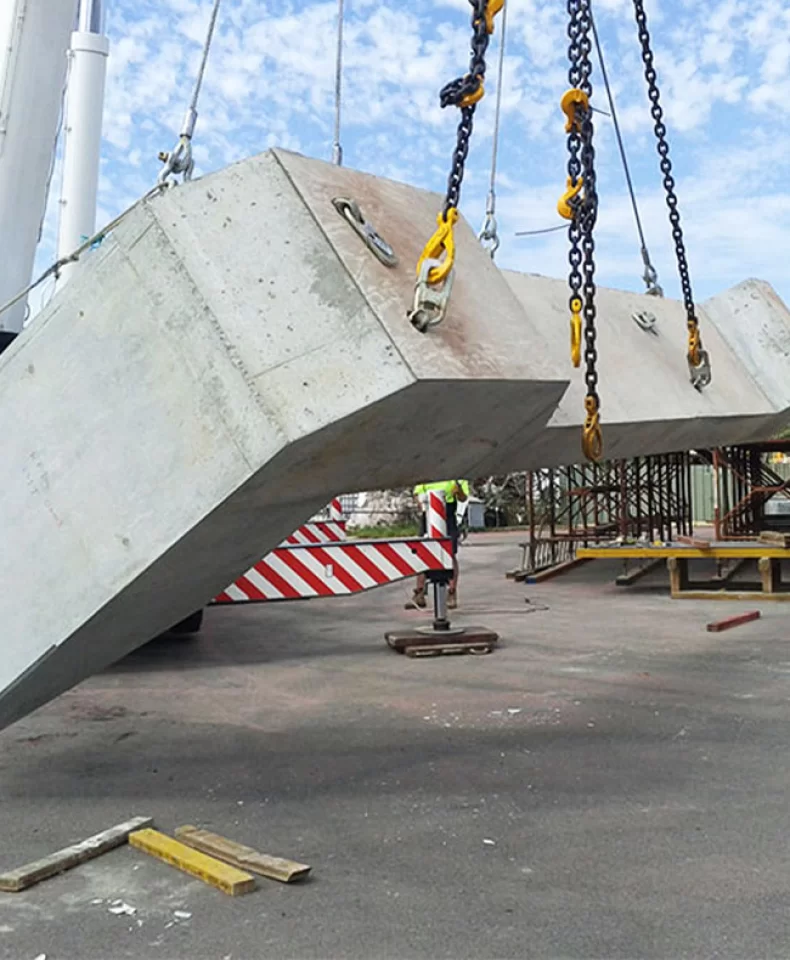
Heavy lifting has become an integral part of modern precast concrete construction. From wall panels and bridge beams to staircases, pipes, and modular building components, manufacturers are producing larger and heavier concrete elements than ever before. As project schedules become tighter and safety regulations more demanding, contractors require lifting systems that deliver both exceptional reliability and outstanding efficiency.
Although cranes and lifting equipment continue to evolve, the overall safety of a lifting operation depends largely on the connection between the concrete element and the lifting device. A poorly designed lifting point can lead to uneven load transfer, concrete damage, installation delays, or even catastrophic failures. This is why selecting the appropriate lifting anchor has become one of the most important decisions during the design and manufacturing stages.
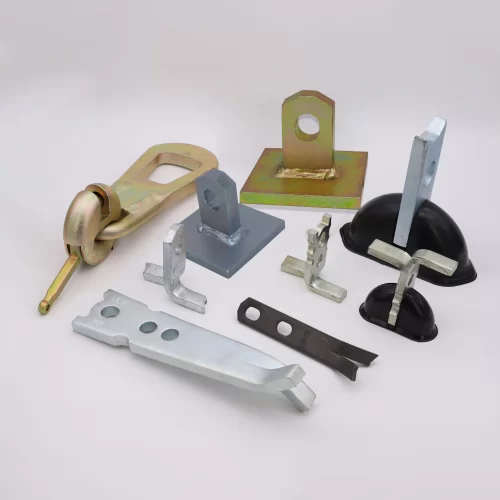
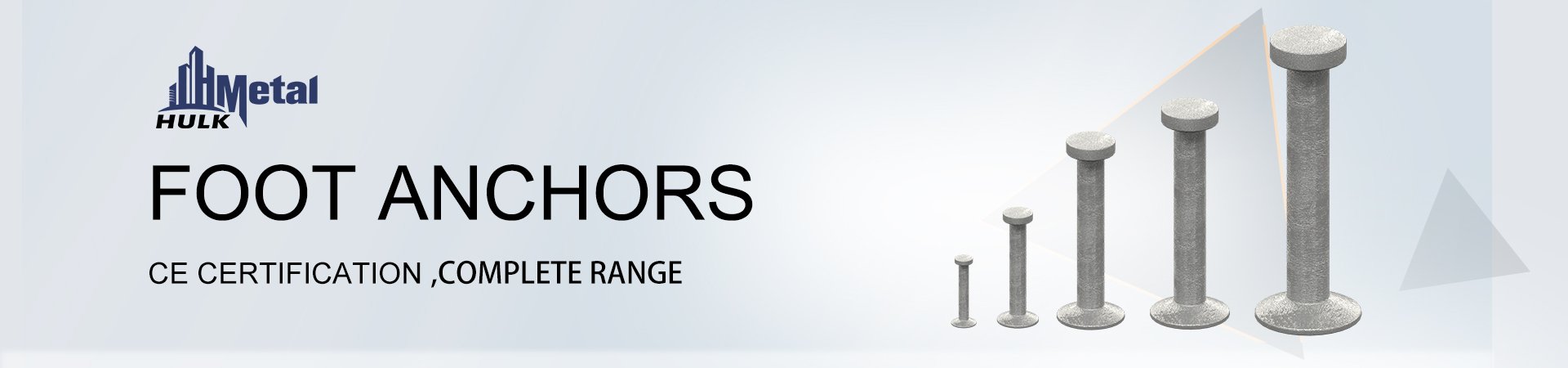
Among the various lifting systems available today, the Foot Anchor has become one of the most trusted solutions for heavy-duty precast applications. Its unique structural design, excellent load-bearing capability, and compatibility with modern lifting accessories make it an indispensable component for manufacturers seeking safer and more efficient production.
In this article, we'll explore how Foot Anchors work, why they outperform traditional lifting methods, and how they help improve both productivity and safety throughout the entire precast construction process.
Understanding the Role of Foot Anchors in Precast Lifting
A Foot Anchor is a cast-in lifting component specifically engineered for lifting precast concrete elements safely and efficiently. It is embedded into the concrete before casting, creating a secure lifting point once the concrete reaches the required compressive strength.
Unlike conventional lifting methods that rely on external clamps or temporary fixtures, a Foot Anchor becomes a permanent part of the concrete element during production. This integrated design provides greater structural stability and significantly reduces the risk of load movement during lifting.
Foot Anchors are commonly used together with Rubber Recess Formers and compatible Lifting Clutches. Once the concrete has cured, the recess former is removed, exposing the anchor head. A lifting clutch is then quickly connected, allowing cranes to lift and transport the concrete component safely.
Because the connection is precisely engineered, operators can complete lifting operations faster while maintaining a high level of safety. This system also minimizes manual adjustments on-site, reducing labor intensity and improving workflow efficiency.
Today, Foot Anchors are widely used in manufacturing:
Precast wall panels
Beams and columns
Hollow core slabs
Stair units
Tunnel segments
Bridge components
Utility structures
Large infrastructure modules
Their versatility makes them suitable for projects ranging from residential developments to large-scale commercial and infrastructure construction.
The Engineering Benefits Behind Foot Anchor Design
The performance of any lifting system depends on how effectively it transfers forces from the lifting equipment into the concrete structure. Foot Anchors are specifically engineered to optimize this load transfer while protecting the surrounding concrete.
Optimized Load Distribution
One of the biggest advantages of a Foot Anchor is its ability to distribute lifting forces over a larger area inside the concrete.
The specially designed anchor foot provides additional mechanical resistance, helping transfer tensile loads more efficiently into the reinforced concrete. Compared with simple threaded inserts, this design reduces localized stress concentrations that could otherwise lead to cracking or concrete failure.
This optimized force distribution is especially valuable when lifting large or irregularly shaped precast elements where load stability is critical.
Superior Pull-Out Resistance
Heavy concrete components experience substantial tensile forces during lifting, transportation, and installation.
The enlarged foot section increases anchorage within the concrete, providing significantly greater resistance against pull-out forces. This enhanced mechanical interlock allows Foot Anchors to maintain stable performance even under demanding lifting conditions.
The result is a safer lifting operation with reduced risk of anchor failure.
Reliable Performance in Demanding Conditions
Construction projects rarely take place under ideal conditions.
Precast components may need to be lifted multiple times during manufacturing, storage, transportation, and final installation. Throughout these stages, lifting equipment is subjected to vibration, dynamic loading, and varying environmental conditions.
Manufactured from high-strength alloy steel or forged carbon steel, Foot Anchors are designed to withstand repeated heavy-duty use while maintaining excellent mechanical performance.
Precision manufacturing and strict dimensional control also ensure smooth compatibility with lifting clutches, reducing operational risks caused by poor fitting or inconsistent tolerances.
Why Foot Anchors Improve Project Efficiency
While safety remains the primary concern, productivity has become equally important in today's competitive construction industry.
Foot Anchors contribute to project efficiency in several ways.
Faster Production
Because the anchor is positioned before concrete casting, manufacturers can create lifting points without additional drilling or post-installed hardware.
This simplifies the production process and shortens manufacturing cycles, allowing precast plants to increase daily output.
Simplified Lifting Operations
The connection between the Foot Anchor and lifting clutch is straightforward and reliable.
Operators can quickly engage or release the lifting device without complicated assembly procedures. This reduces crane idle time and accelerates material handling throughout the factory and construction site.
Reduced Labor Requirements
Traditional lifting methods often require multiple workers to adjust chains, clamps, or temporary lifting devices.
Foot Anchor systems minimize manual intervention by providing standardized lifting points that are easy to locate and operate.
Less manual handling also helps reduce operator fatigue and improve workplace safety.
Lower Overall Project Costs
Although the Foot Anchor itself represents only a small portion of the total project cost, it can generate significant long-term savings.
Improved lifting efficiency reduces equipment downtime, minimizes concrete damage during transportation, decreases labor costs, and shortens project schedules.
These combined benefits make Foot Anchors a highly cost-effective investment for precast manufacturers and construction contractors alike.
Selecting the Right Foot Anchor for Different Applications
Choosing the correct Foot Anchor requires more than simply matching the lifting capacity.
Several engineering factors should be considered to ensure safe and efficient performance.
Load Capacity
Every anchor is designed for a specific Working Load Limit (WLL).
Selecting an anchor with the appropriate capacity ensures sufficient safety margins while avoiding unnecessary oversizing.
Manufacturers should always consider both the dead weight of the concrete element and any additional dynamic forces generated during lifting.
Concrete Strength
Concrete must achieve the specified compressive strength before lifting operations begin.
Lifting elements before sufficient curing may reduce the concrete's ability to transfer loads safely through the anchor system.
Proper curing procedures are therefore essential for maintaining lifting safety.
Lifting Direction
Not every lifting application involves purely vertical loads.
Some concrete elements require tilting, rotating, or angled lifting during transportation or installation.
Selecting an anchor suitable for the expected lifting angles helps maintain optimal performance under varying load conditions.
Environmental Conditions
Project environments also influence anchor selection.
For outdoor construction or aggressive environments, corrosion-resistant surface treatments such as hot-dip galvanizing or specialized coatings can significantly extend service life.
Material selection should always reflect the operating environment and expected durability requirements.
Manufacturing Quality
High-quality Foot Anchors undergo strict inspections throughout production.
Reliable manufacturers perform dimensional inspections, material verification, proof-load testing, and comprehensive quality control before shipment.
Consistent manufacturing standards provide greater confidence throughout the entire lifting process.
Why Partner with an Experienced Foot Anchor Manufacturer?
The performance of a Foot Anchor depends not only on its design but also on the expertise of the manufacturer behind it.
An experienced supplier understands both the engineering requirements of lifting systems and the practical challenges faced by precast producers.
At HULK Metal, every production stage is carefully controlled—from raw material selection and precision forging to CNC machining, heat treatment, surface finishing, and final inspection.
Strict quality management ensures that every Foot Anchor meets demanding performance requirements while maintaining excellent dimensional consistency.
Beyond manufacturing, HULK Metal also provides customized solutions tailored to customer requirements, including different load capacities, materials, surface treatments, markings, and packaging options.
Combined with responsive technical support, stable production capacity, and comprehensive quality assurance, these capabilities help customers reduce procurement risks while ensuring reliable product performance across every project.
Whether you're producing residential wall panels, infrastructure components, industrial foundations, or large structural modules, selecting high-quality Foot Anchors can significantly improve both project safety and productivity.
If you're looking for a dependable Foot Anchor supplier, HULK Metal offers comprehensive manufacturing capabilities, rigorous quality control, and customized lifting solutions designed to meet the demands of today's global construction industry.
Contact our engineering team today to learn how our Foot Anchor systems can help make your next heavy lifting project safer, faster, and more efficient.
Article Navigation
PRECAST CONCRETE ACCESSORIES
OTHER RELATED ARTICLE
Other Precast Concrete Accessories You Might Want to Know
You can click to learn more about HULK Metal precast concrete accessories such as lifting anchors, precast sockets, spread anchors, shuttering magnets, cast-in channels, wire loop boxes, and other precast concrete accessories you might want to know.