



Erection Anchor Supplier: How to Choose the Right One?
Choosing the right erection anchor supplier is essential for precast concrete manufacturers, construction contractors, and procurement managers. Erection anchors play an important role in lifting, handling, positioning, and installing precast concrete elements. Their quality, technical suitability, and compatibility directly affect project safety and construction efficiency.
However, selecting a supplier involves more than comparing prices. Buyers must evaluate manufacturing capabilities, material quality, quality control procedures, engineering support, and delivery reliability. A qualified supplier should understand project requirements and provide products that meet approved specifications.
This article explains how to evaluate an erection anchor supplier, avoid common purchasing risks, and establish a reliable sourcing process for precast concrete projects.
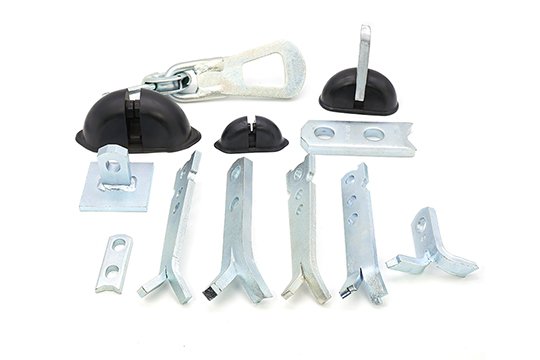
Understand Your Project Requirements
Before contacting an erection anchor manufacturer, buyers should define the project's technical and operational requirements. Clear specifications help suppliers recommend suitable products and prepare accurate quotations.
Identify the Intended Application
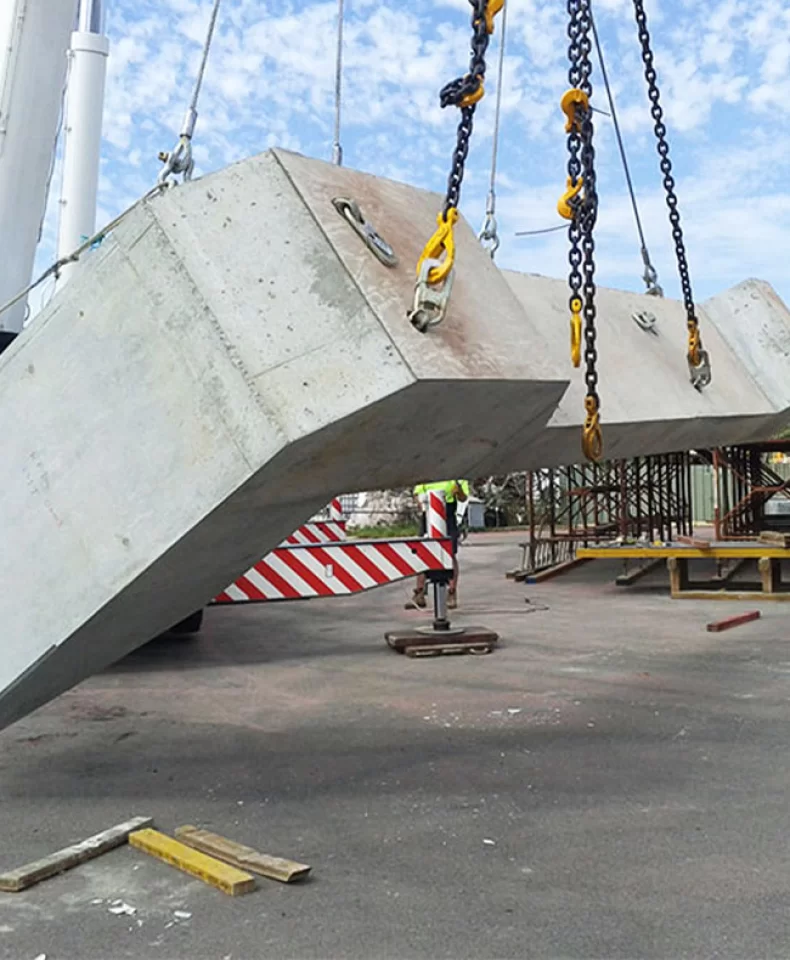
Erection anchors are commonly used in precast wall panels, beams, columns, floor slabs, and other concrete components. Different applications involve different lifting arrangements, load conditions, and installation procedures.
Buyers should identify whether anchors are required for initial lifting, panel rotation, transportation, or final positioning. The weight and dimensions of the concrete element, lifting-point locations, and site conditions should also be considered.
Define Technical Specifications
Important parameters include working load requirements, concrete strength at lifting, anchor embedment depth, load direction, and reinforcement arrangement.
Buyers should provide approved drawings, required quantities, applicable standards, and information about compatible lifting accessories. These details allow suppliers to assess manufacturing feasibility and clarify technical requirements before production.
The final anchor configuration and lifting arrangement should be confirmed by appropriately qualified design professionals.
Evaluate Manufacturing Capabilities
A supplier's manufacturing capabilities influence product consistency, customization options, and delivery performance.
Manufacturer or Trading Company?
Direct manufacturers may offer closer coordination between engineering, production, and quality inspection. Trading companies may provide access to multiple production sources and a broader product range.
Regardless of the business model, buyers should verify the actual production source, quality responsibilities, and technical communication process.
A reliable erection anchor supplier should explain how products are manufactured, inspected, and documented.
Review Production Processes
Depending on the anchor design, manufacturing may involve hot forging, machining, forming, welding, heat treatment, and surface finishing.
Buyers should confirm that the supplier has appropriate equipment, qualified personnel, and controlled production procedures for the specified product.
For customized orders, evaluate the supplier's ability to review drawings, develop tooling, maintain dimensional tolerances, and manage design revisions. Sample approval and first-article inspection may be appropriate before mass production.
Check Material Quality and Product Consistency
Material selection and dimensional accuracy are essential when sourcing precast erection anchors.
Verify Materials and Traceability
Anchors may use carbon steel, alloy steel, or other specified materials according to their design and application.
Buyers should request material certificates and verify that the material grade and mechanical properties meet the approved specifications.
Important documentation includes chemical composition, mechanical test results, and material batch identification. Traceability helps connect production batches with inspection records and supports quality investigations when necessary.
Evaluate Dimensional Accuracy
Critical dimensions, thread profiles, connection features, and tolerances affect anchor installation and compatibility with lifting accessories.
Suppliers should maintain approved drawings, inspection procedures, and production records to ensure consistent results across batches.
For repeat orders, standardized specifications and revision control help maintain product consistency and reduce assembly problems.
Confirm Surface Treatment
Common surface treatments include plain steel, electro-galvanizing, and hot-dip galvanizing.
The appropriate treatment depends on the project specification, storage conditions, and intended environment. Buyers should confirm coating requirements, relevant inspection criteria, and compatibility with threaded or connecting components.
Surface treatment provides corrosion protection where specified, but it does not replace appropriate material selection or engineering verification.
Verify Quality Control and Compliance
Quality assurance provides evidence that supplied erection anchors meet the agreed requirements.
Review Quality Management Procedures
ISO 9001 certification can demonstrate that a company operates a quality management system. However, it does not independently certify every product or establish its lifting capacity.
Buyers should verify certificate validity and scope while reviewing procedures for incoming materials, production inspection, nonconforming products, and final release.
Examine Testing and Inspection Records
Depending on the product and applicable requirements, inspection activities may include:
Visual and dimensional inspection to identify defects and verify critical measurements.
Material testing to confirm specified chemical composition and mechanical properties.
Tensile or load testing under defined conditions and acceptance criteria.
Welding inspection for products incorporating welded components.
Not every test applies to every anchor. Suppliers should identify the relevant inspection methods and provide product-specific reports.
Buyers should also confirm that testing conditions and results correspond to the actual product configuration and applicable requirements.
Confirm Applicable Standards
For European and international projects, applicable standards, technical assessments, and project specifications should be established before ordering.
Request approved drawings, material certificates, inspection reports, installation instructions, and relevant conformity documents.
Where CE marking or other certification is required, verify that the documentation covers the specific product and intended application rather than relying solely on general company certifications.
Assess Engineering Support and Compatibility
Technical support helps ensure that erection anchors are suitable for the intended precast application and associated lifting system.
Evaluate Technical Review
A qualified supplier should review relevant drawings, element dimensions, concrete strength at lifting, anchor configuration, and specified loading conditions.
For non-standard applications, unresolved technical questions should be identified before production. The final design and lifting procedure should be approved by appropriately qualified professionals.
Clear communication at this stage can reduce specification errors, production changes, and project delays.
Check Accessory Compatibility
Erection anchors may be used with lifting clutches, lifting eyes, recess formers, and other associated components.
Buyers should verify compatibility between the anchor and the specified accessories, including connection geometry, engagement mechanisms, permitted loading directions, and installation instructions.
Matching nominal load capacities alone is insufficient to establish compatibility. Components should be approved for the intended combination and application.
Compare Pricing, Lead Times, and Procurement Costs
The lowest unit price does not always represent the lowest total procurement cost.
Compare Complete Quotations
A professional quotation should clearly identify product specifications, materials, quantities, and delivery terms.
Buyers should also consider tooling, testing, inspection, packaging, transportation, and applicable logistics costs.
Comparing quotations against identical technical requirements helps prevent purchasing decisions based on incomplete specifications.
Confirm Production and Delivery Capacity
Before ordering, confirm production lead times, raw material availability, manufacturing capacity, and shipping schedules.
For large or recurring orders, coordinate batch deliveries with the precast production and installation schedule.
Suppliers should communicate production progress and potential delays clearly. Realistic delivery commitments supported by production planning help buyers manage project schedules.
Avoid Common Supplier Selection Mistakes
Procurement teams should avoid several common mistakes when sourcing erection anchors:
A structured supplier qualification process helps identify risks early and improves coordination between procurement, engineering, and construction teams.
Why Choose HULK Metal as Your Erection Anchor Supplier?
HULK Metal supports precast concrete manufacturers, contractors, and international buyers with precast accessories and customized supply solutions.
Comprehensive Product Solutions
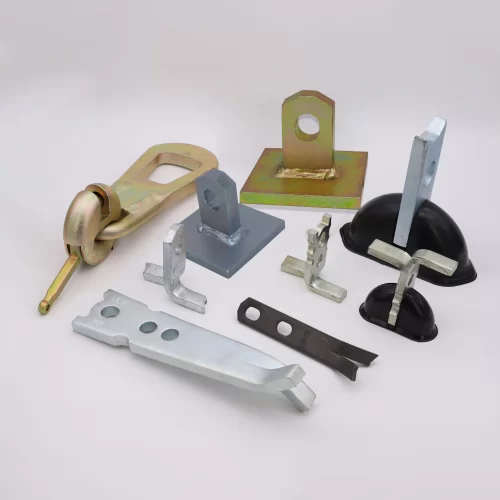
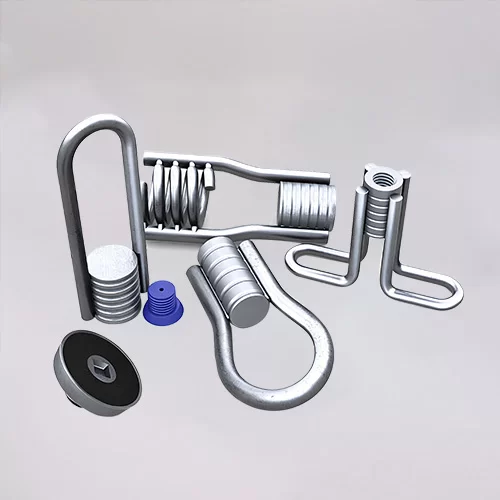
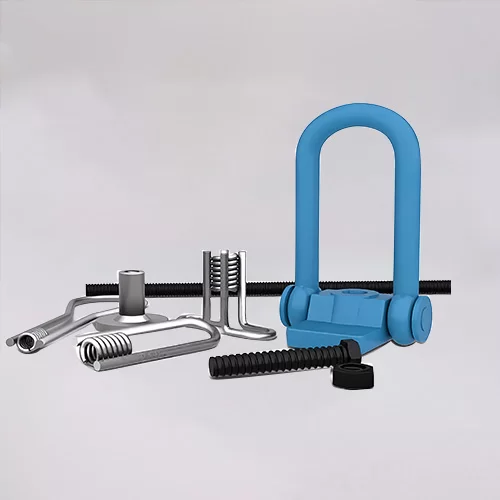
HULK Metal provides precast concrete accessories, including lifting anchors, lifting clutches, recess formers, and related lifting and fixing components.
Coordinated sourcing can simplify purchasing and communication for projects requiring multiple compatible accessories.
Quality Assurance and Technical Coordination
Depending on product and order requirements, quality coordination may include material specifications, dimensional inspection, relevant testing, and supporting documentation.
Buyers can provide drawings and technical specifications to establish product requirements and inspection criteria before production.
Customized Orders and After-Sales Support
HULK Metal supports customized sourcing and production requirements based on approved drawings, quantities, and agreed specifications.
Its supply chain and service teams coordinate purchasing, production follow-up, quality inspection, packaging, and logistics.
For verified quality issues or quantity discrepancies, agreed after-sales remedies include return, replacement, or replenishment, subject to applicable order terms.
Contact HULK Metal with your project drawings, required quantities, technical specifications, and target delivery schedule to discuss your erection anchor requirements and request a customized quotation.
Choosing the right erection anchor supplier requires a comprehensive evaluation of technical suitability, manufacturing consistency, quality assurance, engineering support, and delivery performance.
By establishing clear specifications, verifying product documentation, and comparing complete procurement costs, buyers can improve sourcing efficiency and reduce avoidable project risks.
HULK Metal provides precast accessories, customized supply coordination, and after-sales support for international construction projects. Submit your drawings and project requirements to discuss a suitable erection anchor solution for your application.
Article Navigation
PRECAST CONCRETE ACCESSORIES
OTHER RELATED ARTICLE
- 1.How Efficient Precast Accessories Improve Construction Productivity?
- 2.How to Choose High-Quality Shuttering Magnetic Products and Suppliers Guide
- 3.Applications and advantages of swivel hoist rings: HULK Metal provides you with safer and more flexible lifting solutions
- 4.Lifting Clutch VS Lifting Ring Clutch:Definition, Working Principle, Application Scenarios, and Selection Guide
- 5.An In-Depth Guide to Erection Anchors, Single-Hole Spread Anchors and Two-Hole Spread Anchors
Other Precast Concrete Accessories You Might Want to Know
You can click to learn more about HULK Metal precast concrete accessories such as lifting anchors, precast sockets, spread anchors, shuttering magnets, cast-in channels, wire loop boxes, and other precast concrete accessories you might want to know.