



Lifting Anchors: Tonnage Selection and Applications for Precast Concrete
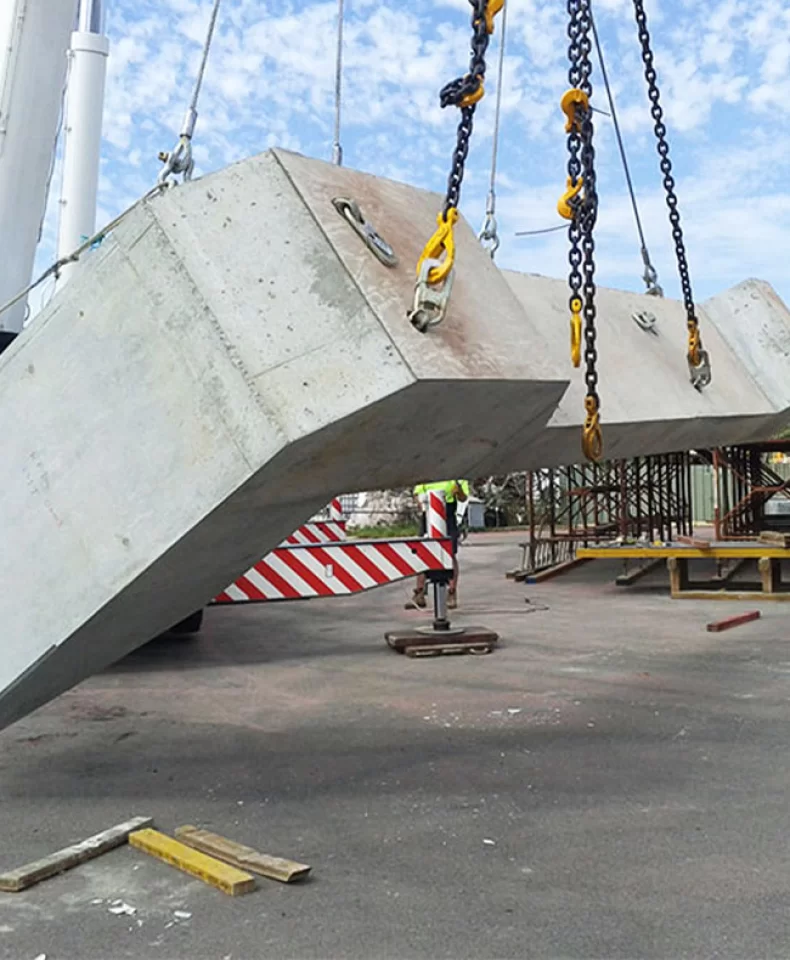
Lifting anchors are essential components in precast concrete construction. They provide secure lifting points for handling, transporting, and installing concrete elements such as wall panels, beams, columns, stairs, and floor slabs. Selecting the appropriate lifting anchor is critical to maintaining operational safety, improving handling efficiency, and controlling project costs.
One of the most important considerations is lifting capacity, commonly expressed in metric tons. Different precast components require different anchor capacities depending on their weight, dimensions, lifting configuration, and installation conditions. However, selecting an anchor based on weight alone is not sufficient. Concrete strength at lifting, anchor embedment, reinforcement, sling angles, and dynamic forces must also be evaluated.
This guide explains common lifting anchor tonnage ranges, their typical applications, and the key factors buyers and engineers should consider when selecting precast concrete lifting anchors.
Using Combinations
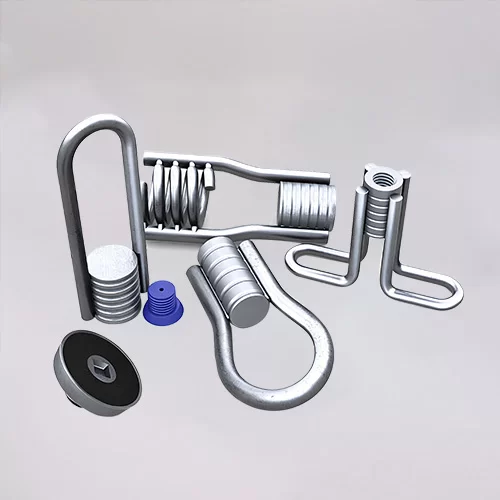
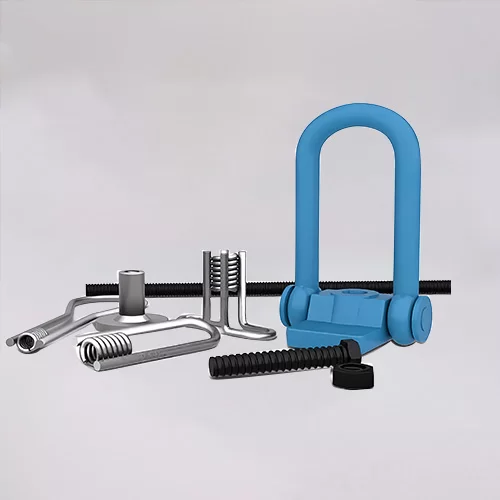
A lifting anchor system generally includes an anchor embedded in the concrete and a compatible lifting clutch or other specified lifting device. Depending on the design, additional components such as recess formers and reinforcement may also be required.
Common Types of Lifting Anchors
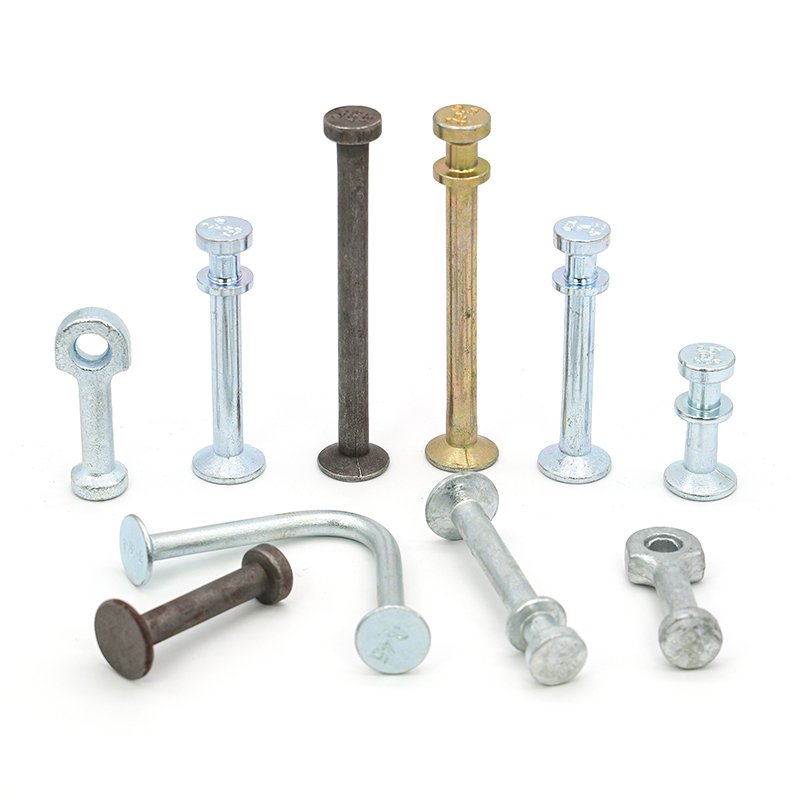
Spherical Head Lifting Anchors: These anchors are widely used for lifting precast concrete elements. They connect to compatible spherical head lifting clutches and are available in different load classes for various structural applications.
Eye Anchors: Eye anchors provide a lifting point through an eye-shaped section. Depending on the design, they can be suitable for specific lifting configurations involving beams, roof elements, and other precast components.
Double Head Lifting Anchors: These anchors feature a specialized geometry for designated lifting applications. Their suitability depends on the system design, embedment requirements, and compatible lifting equipment.
Each anchor type has specific design requirements. Buyers should verify its rated capacity, installation instructions, and compatibility with the complete lifting system before ordering.
Lifting Anchor Tonnage Guide: Capacity and Applications
Lifting anchors are available in different load classes to accommodate a wide range of precast concrete applications. The appropriate tonnage depends on the forces acting on each anchor rather than simply the total weight of the concrete component.
The following table provides an initial reference for common nominal load classes and their potential applications.
Nominal Load Class | Potential Applications | Key Considerations |
|---|---|---|
1.3T–2.5T | Small panels, lightweight components, and compact precast units | Concrete thickness, edge distance, and local loading |
3T–5T | Stairs, conventional wall panels, and selected beams | Lifting-point arrangement and concrete strength |
5T–7.5T | Large wall panels, heavier beams, and structural components | Load distribution and reinforcement |
10T–15T | Heavy beams and substantial precast units | Engineered lifting design and anchorage capacity |
20T–32T | Very heavy structural components and specialized projects | Project-specific calculations and system verification |
These ranges are illustrative application guides, not universal rules. The final selection must follow the anchor manufacturer's rated capacity and the project's engineered lifting design.
1.3T–2.5T Lifting Anchors: Small and Lightweight Components
Lifting anchors in the 1.3T–2.5T range can be suitable for smaller precast components when the calculated load falls within the anchor's permitted working load.
Typical applications may include compact architectural panels, smaller concrete units, and lightweight precast products. These anchors can help manufacturers maintain efficient handling operations without unnecessarily selecting larger components.
However, a relatively light concrete element can still create challenging anchor loads if its lifting points are poorly positioned or the lifting geometry introduces unfavorable forces. Thin concrete sections also require particular attention because there may be limited space for embedment and reinforcement.
Before selecting a small-capacity anchor, engineers should check the component's dimensions, concrete strength at lifting, edge distances, and the load assigned to each lifting point.
3T–5T Lifting Anchors: General Precast Construction
The 3T–5T range is relevant to many conventional precast handling operations, depending on the specific anchor design and load requirements.
Potential applications include medium-sized wall panels, precast stairs, selected beams, and other structural components with moderate lifting demands. For manufacturers producing a variety of standard precast elements, this capacity range may cover several common handling requirements.
The main consideration is the relationship between the component's weight and the actual force acting on each anchor. For example, a wall panel lifted from multiple points may distribute its load differently depending on its center of gravity, the lifting frame, and the position of each anchor.
Concrete strength is equally important. Anchors installed in concrete that has not reached the required lifting strength may cause local concrete failure even when the steel anchor itself has sufficient rated capacity.
5T–7.5T Lifting Anchors: Larger Structural Components
Lifting anchors in the 5T–7.5T range may be appropriate for larger wall panels, heavier beams, and other substantial precast components.
As component size increases, lifting operations often become more sensitive to load distribution, bending effects, and the geometry of the rigging arrangement. Engineers must consider not only the anchor's nominal capacity but also the concrete surrounding the anchor and the reinforcement needed to transfer lifting forces safely.
For example, a large wall panel may require several lifting points to control its position during demolding, rotation, and installation. Nevertheless, the total load cannot automatically be divided equally by the number of anchors. Sling angles, unequal load sharing, and the lifting method can cause individual anchors to experience different forces.
Manufacturers should therefore verify the complete lifting arrangement and use anchors that match the required load class, embedment conditions, and compatible lifting devices.
10T–15T Lifting Anchors: Heavy-Duty Applications
The 10T–15T range is intended for applications with higher lifting demands, where permitted by the selected anchor system and the engineering design.
Potential applications include heavy precast beams, large structural elements, and substantial concrete components that require carefully planned lifting operations.
At these capacities, coordination between the anchor supplier, precast manufacturer, and project engineer becomes especially important. The anchor's geometry, embedded length, reinforcement arrangement, and position within the concrete element must be verified against the anticipated loading conditions.
Lifting equipment must also be compatible with the anchor and rated for the forces involved. A high-capacity anchor cannot compensate for an undersized clutch, unsuitable rigging, insufficient concrete strength, or inadequate reinforcement.
Buyers should provide technical drawings and lifting requirements when requesting quotations for heavy-duty anchors. This information helps suppliers identify suitable designs and clarify which specifications require further engineering review.
20T–32T Lifting Anchors: Very Heavy Precast Elements
Lifting anchors in the 20T–32T range are used for specialized applications involving very high lifting demands. Their suitability must be established through project-specific engineering rather than assumed from the component's weight.
Potential applications include exceptionally heavy structural components and specialized precast elements that require high-capacity lifting arrangements.
These applications demand careful evaluation of the entire load path, from the lifting device and anchor through the embedded reinforcement and surrounding concrete. Engineers must also consider the component's center of gravity, lifting orientation, concrete strength, and potential dynamic effects during crane operation.
Anchor placement is particularly important because concentrated forces can cause local concrete cracking, splitting, or breakout if the anchorage and reinforcement are not properly designed.
For projects requiring high-capacity lifting anchors, buyers should confirm the manufacturer's rated working load, product specifications, applicable certifications, testing documentation, and compatibility requirements before production or installation.
How to Choose the Right Lifting Anchor Tonnage
Selecting the correct lifting anchor requires a systematic assessment of the concrete element and the intended lifting operation.
Calculate the Weight of the Concrete Element
Determine the component's weight from its dimensions, concrete density, and any additional embedded components. The calculation should reflect the actual element being lifted rather than relying solely on approximate dimensions.
Determine the Load on Each Anchor
Evaluate the number and position of lifting points, the center of gravity, the lifting frame, and sling angles. Dynamic effects and uneven load distribution must also be considered where applicable.
Using multiple anchors does not automatically guarantee equal load sharing. The design should establish the forces acting on each anchor under the intended lifting conditions.
Verify Concrete Strength at Lifting
The concrete must achieve the required strength before demolding or lifting. Engineers should verify the specified minimum lifting strength and assess the concrete's capacity to resist local stresses around the anchor.
Match the Anchor to the Lifting Method
Vertical lifting, inclined lifting, rotation, and edge lifting may create different force directions and anchorage demands. The selected anchor must be suitable for the intended configuration and used according to the manufacturer's instructions.
Common Mistakes When Selecting Lifting Anchors
Several mistakes can increase lifting risks and project costs:
Selecting anchors based only on concrete weight: The force on each anchor also depends on lifting geometry, load distribution, and dynamic effects.
Assuming equal load sharing: Multiple lifting points may carry unequal forces.
Ignoring concrete strength: Insufficient strength at lifting can cause concrete failure around the anchor.
Overlooking compatibility: Lifting clutches and other equipment must match the specified anchor system.
Ignoring installation requirements: Incorrect embedment, positioning, or reinforcement can compromise anchorage performance.
Relying only on a higher tonnage rating: A larger anchor does not automatically solve problems related to concrete thickness, edge distance, or inadequate reinforcement.
A reliable lifting solution requires verification of the complete system rather than selecting a steel component in isolation.
Why Choose HULK Metal Lifting Anchors?
HULK Metal supports precast concrete manufacturers and construction buyers with lifting anchor solutions for different load requirements and project applications.
Multiple Load Classes and Product Options
A range of lifting anchor options, including capacities from 1.3T to 32T where available in the applicable product series, helps buyers evaluate solutions for different precast components. The appropriate anchor type should be selected according to the required working load and installation conditions.
Manufacturing and Quality Control
Material verification, dimensional inspection, production process control, and appropriate mechanical testing help support consistent product quality. Buyers can discuss the inspection records and technical documentation required for their projects.
OEM Customization and Technical Support
HULK Metal can discuss customized dimensions, materials, surface finishes, and production quantities according to project requirements. Providing drawings, load specifications, and intended applications helps the team evaluate suitable manufacturing options.
Coordinated Supply and After-Sales Service
With coordinated sourcing, production, quality inspection, packaging, and logistics, HULK Metal aims to support reliable order fulfillment. After-sales assistance is also available to address qualifying product quality or quantity issues in accordance with the agreed service terms.
Select Lifting Anchors According to Real Project Conditions
Choosing the right lifting anchor is essential for safe and efficient precast concrete handling. From 1.3T anchors for smaller components to high-capacity options for heavy structural elements, each selection must account for the actual anchor load, concrete strength, reinforcement, embedment, and lifting configuration.
HULK Metal works with buyers to evaluate lifting anchor requirements and discuss suitable product options for different precast applications.
Contact HULK Metal to discuss your lifting anchor requirements. Share your drawings, component weight, required working load, and lifting arrangement to help identify a suitable solution for your project.
Article Navigation
PRECAST CONCRETE ACCESSORIES
OTHER RELATED ARTICLE
Other Precast Concrete Accessories You Might Want to Know
You can click to learn more about HULK Metal precast concrete accessories such as lifting anchors, precast sockets, spread anchors, shuttering magnets, cast-in channels, wire loop boxes, and other precast concrete accessories you might want to know.