



Improve Construction Efficiency with a Concrete Lifting Anchor System
Precast concrete technology helps construction projects improve production consistency, reduce on-site work, and accelerate installation. However, lifting and handling concrete components remain important challenges. Incorrect anchor selection, incompatible lifting equipment, and poorly planned lifting operations can lead to delays, product damage, and unnecessary costs.
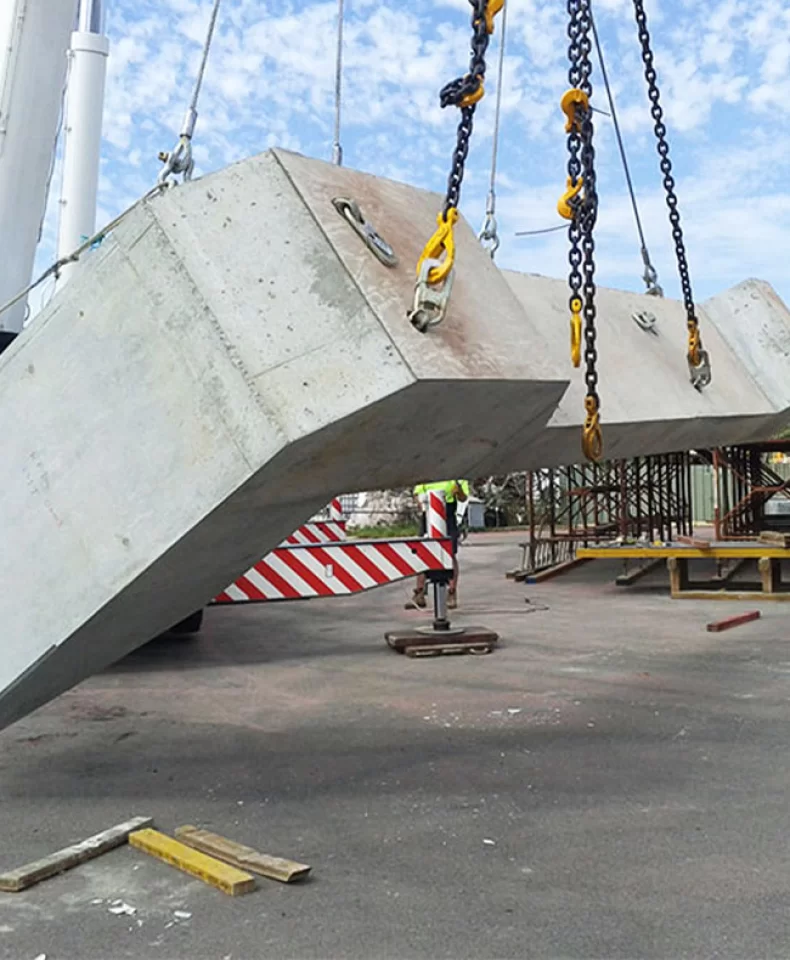
A properly designed concrete lifting anchor system helps address these challenges by providing reliable lifting connections and supporting a more organized workflow. From demoulding and transportation to final installation, the right system can simplify handling operations and improve coordination between precast manufacturers and construction teams.
For buyers and project engineers, improving lifting efficiency requires more than selecting an anchor with sufficient load capacity. Component compatibility, concrete strength, installation conditions, quality control, and supplier reliability must also be considered.
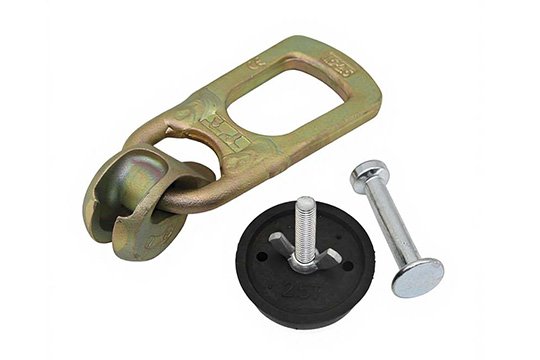
Understanding a Concrete Lifting Anchor System
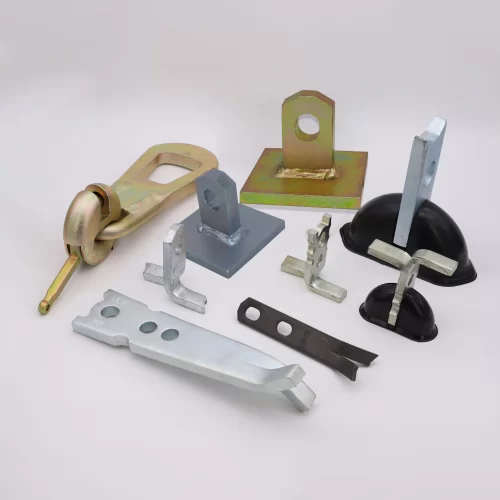
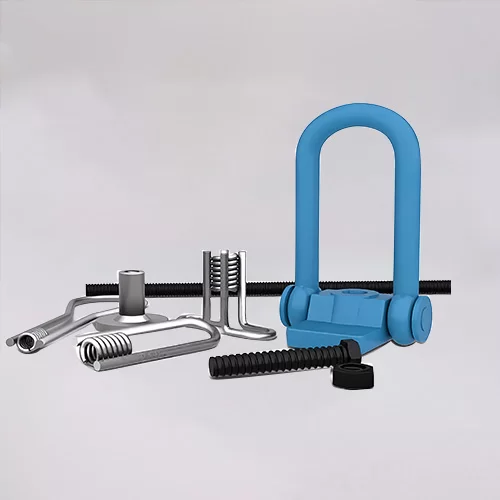
A concrete lifting anchor system consists of embedded lifting components and compatible hardware designed to handle precast concrete elements during specified lifting operations. Depending on the application, the system may include lifting anchors, lifting clutches, recess formers, and supporting reinforcement.
Main Components and Their Functions
Lifting Anchors: These components are embedded in concrete during production. They transfer lifting forces into the concrete and must be selected according to the element's weight, geometry, lifting direction, and design requirements.
Lifting Clutches: Clutches connect compatible lifting anchors to cranes or other lifting equipment. A suitable clutch helps establish a secure connection and supports efficient engagement and release.
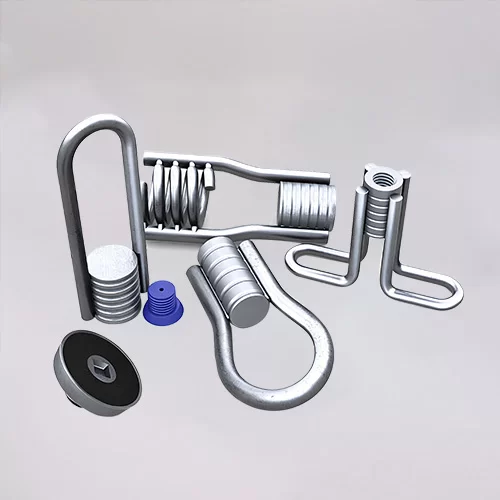
Recess Formers: These components create the required recess around an anchor, providing access for the lifting clutch and helping achieve the intended connection geometry.
Supporting Reinforcement: Where required by the lifting design, reinforcement helps distribute forces and control potential concrete failure around the embedded anchor.
When these components are selected as a coordinated system, manufacturers and contractors can reduce compatibility problems and avoid unnecessary adjustments during lifting.
How a Concrete Lifting Anchor System Improves Construction Efficiency
Streamlining Precast Production
Precast production relies on repeatable processes and predictable handling operations. Integrating lifting anchors into the production plan allows lifting points to be established before concrete placement.
Standardized anchor positions help production teams maintain consistency across repeated batches. Properly selected recess formers also make lifting connections more accessible after demoulding.
This preparation reduces the need for improvised lifting arrangements and helps organize the movement of concrete elements between production stages. However, demoulding and lifting must only take place after the specified concrete strength and other release conditions have been achieved.
Reducing Handling and Installation Time
Precast concrete elements often move through several stages, including demoulding, yard storage, transportation, and on-site installation. Each stage requires suitable lifting connections and coordinated equipment.
A compatible lifting anchor system provides designated connection points, helping crews attach lifting equipment more efficiently. During installation, appropriately positioned anchors can also support controlled movement and accurate placement of wall panels, beams, columns, and slabs.
The result is a more organized workflow with fewer avoidable connection adjustments. Actual time savings depend on the component design, lifting method, site conditions, and operator experience.
Minimizing Concrete Damage and Rework
Concrete damage during lifting can create repair work, delay installation, and increase project costs. Common contributing factors include insufficient concrete strength, incorrect anchor placement, inadequate edge distance, unsuitable lifting angles, and inappropriate load distribution.
A properly designed system considers the interaction between the anchor, surrounding concrete, reinforcement, and lifting equipment. This helps reduce the risk of concrete breakout, cracking, and anchor failure when the system is installed and used correctly.
Consistent anchor positioning and production inspections also help identify problems before the lifting operation begins. Preventing avoidable damage is generally more efficient than repairing defective components after demoulding or delivery.
Improving Labor and Equipment Utilization
Lifting operations involve multiple resources, including crane operators, rigging personnel, installation crews, and transport equipment. Poor coordination can leave equipment waiting while workers correct connection or positioning problems.
A standardized lifting system helps teams establish repeatable procedures for connecting equipment, moving elements, and releasing lifting devices. Clear planning also makes it easier to coordinate crane movements with the production schedule and installation sequence.
Although a lifting anchor system cannot eliminate every site delay, appropriate selection and preparation can support better resource utilization and more predictable operations.
Selecting the Right Lifting Anchor System for Different Applications
Different concrete elements have different geometries, thicknesses, load requirements, and lifting conditions. Selecting the appropriate system is therefore essential.
Spherical Head Lifting Anchor Systems
Spherical head lifting anchors are commonly used for suitable precast wall panels, beams, columns, and other concrete components. They work with compatible lifting clutches and recess formers designed for the same system.
When selecting these anchors, buyers should verify the required working load, anchor configuration, embedment, concrete strength, and intended lifting direction. The complete system must satisfy the approved design requirements.
Threaded Lifting Socket Systems
Threaded lifting sockets provide connection points for compatible threaded lifting equipment. Depending on their design, they may be used with precast panels, slabs, stairs, and other concrete components.
Thread compatibility is particularly important. Buyers should confirm the thread standard, diameter, pitch or profile, engagement requirements, and matching lifting device. Similar-looking threads should not be assumed to be interchangeable.
Flat Lifting Anchor Systems
Flat lifting anchors can be suitable for specific precast elements where thickness, available embedment space, and the intended lifting arrangement influence anchor selection.
Before choosing a flat lifting system, engineers should review the element's dimensions, reinforcement layout, edge distances, and load-transfer requirements. Suitability must be established through the relevant design and technical documentation rather than appearance alone.
Key Factors for System Selection
Inspection Item | Recommended Action | Purpose |
|---|---|---|
Lifting Clutches | Check for wear, deformation, cracks, and damaged locking components. | Ensure secure engagement with compatible lifting anchors. |
Lifting Anchors | Verify anchor condition, positioning, and compliance with approved specifications. | Reduce the risk of improper load transfer. |
Recess Formers | Check dimensions, condition, and correct installation before concrete placement. | Ensure proper recess formation and convenient access to lifting points. |
Lifting Equipment | Inspect cranes, rigging accessories, and connection devices according to applicable requirements. | Support reliable lifting operations and reduce equipment-related delays. |
Operator Training | Train personnel in approved lifting procedures, load restrictions, and communication signals. | Improve coordination and reduce operational errors. |
Safety Zone Management | Keep personnel clear of suspended loads and control access to the lifting area. | Minimize exposure to lifting-related hazards. |
Defective Equipment | Remove damaged or excessively worn equipment from service. | Prevent unsafe reuse and unexpected operational interruptions. |
Reviewing these factors before production helps reduce selection errors and supports smoother lifting operations throughout the project.
Best Practices for Efficient and Safe Lifting
Plan Lifting Points Before Casting
Anchor locations should be established during the engineering and production planning stages. Engineers need to consider the concrete element's geometry, weight distribution, reinforcement, and intended lifting sequence.
Early coordination helps prevent conflicts between anchors, reinforcement, and formwork. It also reduces the likelihood of making unapproved changes after concrete placement.
Verify Concrete Strength Before Lifting
Concrete strength at the time of lifting directly affects the performance of the anchorage system. The required strength must be verified according to the approved design and applicable project requirements.
Curing time alone is not sufficient evidence that a component is ready to be lifted. Production teams should follow the specified release criteria and maintain appropriate quality records.
Use Compatible Lifting Equipment
Lifting clutches and other connection devices must match the designated anchor system. Mixing components from different systems without documented approval can result in improper engagement and unsafe load transfer.
Before lifting, operators should verify that connections are correctly engaged and that the equipment is suitable for the planned operation.
Inspect Equipment and Train Operators
Reusable lifting equipment should be inspected according to the manufacturer's instructions and applicable requirements. Damaged, excessively worn, deformed, or otherwise defective components must be removed from service.
Operators should understand the approved lifting procedure, load restrictions, and communication requirements. Personnel must remain clear of suspended loads, and the lifting area should be controlled throughout the operation.
Common Mistakes That Reduce Lifting Efficiency
Several avoidable mistakes can undermine the performance of an otherwise suitable lifting system.
Selecting anchors only by nominal capacity: The anchor's rated capacity does not independently establish the safety of the entire lifting arrangement. Concrete strength, load distribution, lifting angles, reinforcement, and anchorage conditions also matter.
Mixing incompatible components: Using an unverified clutch or lifting device can create connection problems and increase operational risk. Compatibility must be confirmed before use.
Ignoring anchor placement: Incorrect positioning can interfere with reinforcement, reduce available edge distance, or make lifting connections difficult to access.
Neglecting equipment inspection: Defective reusable hardware can interrupt operations and create serious safety hazards. Regular inspection and timely replacement help maintain reliable performance.
Addressing these issues during planning and production is generally more efficient than correcting them after a concrete element has been cast or delivered.
How to Evaluate a Concrete Lifting Anchor System Supplier
Supplier selection affects product consistency, technical coordination, and delivery reliability.
Manufacturing Capability and Quality Control
Buyers should evaluate the supplier's manufacturing processes, dimensional control, material traceability, and inspection procedures. Depending on the product, relevant processes may include forging, machining, forming, and surface treatment.
Consistent production quality helps ensure that components meet the agreed specifications across repeated orders.
Testing and Technical Documentation
Request relevant product specifications, load ratings, inspection records, and test reports. Verify that certificates and testing evidence apply to the actual products and intended applications.
Where certification is required, confirm its scope and validity rather than relying on general marketing claims.
Customization and Engineering Support
Different projects may require particular dimensions, materials, finishes, or anchor configurations. A capable supplier should be able to review drawings, clarify technical requirements, and coordinate production against approved specifications.
Clear communication and practical engineering support can reduce misunderstandings before manufacturing begins.
Total Project Cost and Long-Term Value
The lowest purchase price does not necessarily produce the lowest project cost. Buyers should also consider product consistency, installation effort, inspection requirements, replacement frequency, packaging, and delivery performance.
A reliable supply partner can help reduce procurement uncertainty and support a more predictable production and installation schedule.
Improving construction efficiency with a concrete lifting anchor system starts with proper engineering, compatible components, and disciplined operating procedures. The right system can streamline precast production, simplify handling, reduce avoidable rework, and support more coordinated installation.
For successful implementation, project teams should evaluate the complete lifting arrangement rather than considering anchor capacity in isolation. Concrete strength, anchor positioning, reinforcement, lifting equipment, and operator training all contribute to reliable performance.
HULK Metal supports precast concrete projects with lifting anchors and related accessories tailored to specified requirements. Contact our team to discuss your drawings, application conditions, and product specifications, and identify a suitable solution for your next project.
Article Navigation
PRECAST CONCRETE ACCESSORIES
OTHER RELATED ARTICLE
Other Precast Concrete Accessories You Might Want to Know
You can click to learn more about HULK Metal precast concrete accessories such as lifting anchors, precast sockets, spread anchors, shuttering magnets, cast-in channels, wire loop boxes, and other precast concrete accessories you might want to know.