



Metric vs Rd Thread for Lifting Sockets: What Should Buyers Verify?
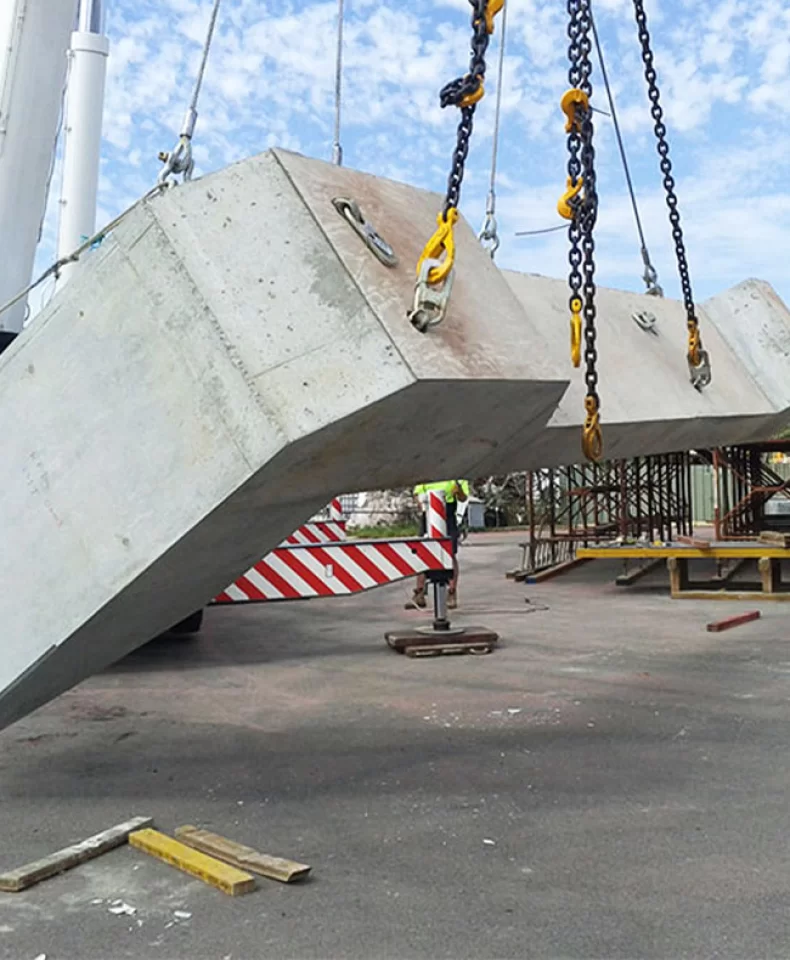
In precast concrete construction, lifting sockets provide a reliable connection point for handling, positioning, and installing concrete components. However, selecting the right lifting socket involves more than checking its load capacity or nominal diameter. Thread compatibility is equally important, particularly when buyers are choosing between Metric and Rd thread systems.
A lifting socket must work correctly with its corresponding lifting accessory, such as a lifting bolt, threaded lifting component, or other connection device. If the thread type, diameter, pitch, or profile does not match, the components may not engage correctly, affecting assembly and the intended load transfer.
For this reason, buyers should verify the complete socket specification before placing an order. This article explains the key differences between Metric and Rd threads and outlines the main parameters buyers should check when sourcing lifting sockets for precast concrete applications.
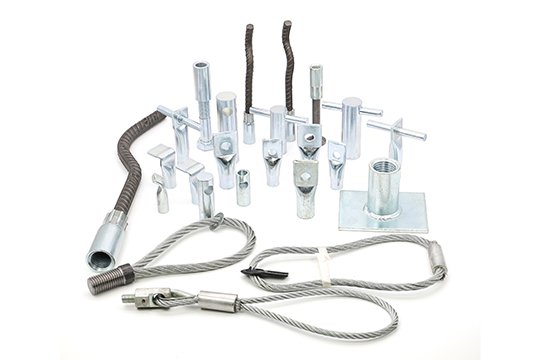
What Are Metric and Rd Threads?
What Is a Metric Thread?
Metric threads are identified using the letter M, followed by the nominal thread diameter. For example, M12, M16, M20, and M24 indicate different nominal diameters.
Metric threads are widely used across mechanical and construction applications because they follow internationally recognized dimensional conventions. In lifting socket applications, however, the designation alone is not enough to determine compatibility. The pitch, thread profile, socket dimensions, and matching lifting component must also be confirmed.
For example, two components may have similar nominal diameters but different pitches or thread forms. They should not be considered interchangeable simply because their dimensions appear similar.
When purchasing a Metric lifting socket, buyers should therefore confirm the complete thread specification shown on the engineering drawing or product documentation.
What Is an Rd Thread?
Rd thread, commonly associated with a rounded thread profile, is another thread system encountered in lifting and anchoring applications. Its thread geometry differs from conventional Metric threads and is designed for use with matching components.
Rd threads can be found in certain lifting and anchoring systems used for precast concrete. Their rounded profile can provide specific mechanical and assembly characteristics, but the most important consideration for buyers is compatibility.
An Rd threaded lifting socket should be matched with the appropriate Rd threaded component specified for the system. It should not be assumed that an Rd socket can be replaced with a Metric socket of a similar nominal diameter.
Metric vs Rd Thread: What Is the Difference?
The main difference is the thread geometry and specification system. Buyers should consider several factors when comparing the two.
| Parameter | Metric Thread | Rd Thread |
|---|---|---|
| Identification | M + nominal diameter | Rd + nominal diameter/designation |
| Thread Profile | Standard Metric profile | Rounded thread profile |
| Pitch | Specified according to Metric thread | Must follow the applicable Rd specification |
| Mating Component | Matching Metric component | Matching Rd component |
| Compatibility | Depends on complete Metric specification | Depends on complete Rd specification |
| Application | Various mechanical and precast systems | Specific lifting and anchoring systems |
| Buyer Priority | Verify diameter, pitch, and mating component | Verify profile, size, and matching component |
The key point is simple: nominal diameter does not define thread compatibility by itself.
When sourcing lifting sockets, buyers should always verify the complete thread specification rather than comparing only the number after M or Rd.
Why Thread Compatibility Matters in Lifting Applications
Lifting sockets are part of a load-bearing system. The socket, lifting accessory, embedded reinforcement, concrete element, and lifting equipment must work together as designed.
A mismatched thread can create several practical problems. The mating component may not fully engage, installation may become difficult, or the connection may not achieve the intended mechanical performance. For lifting applications, these issues cannot be treated as ordinary assembly inconveniences.
Correct thread engagement allows the lifting accessory to connect with the socket according to the specified design. It also helps ensure that the lifting force can be transferred through the intended load path.
This is why buyers should verify thread compatibility before production and before the lifting operation, rather than relying on assumptions made from similar-looking components.
What Should Buyers Verify Before Ordering Lifting Sockets?
Confirm the Thread Standard and Designation
The first step is to determine whether the project requires a Metric or Rd thread.
Check the engineering drawings, technical specifications, and existing lifting accessories. If the project already uses a specific lifting system, the replacement socket should normally follow the same specification unless the engineering requirements have been reviewed.
Do not provide a supplier with only a request such as "M20 lifting socket" without confirming the complete requirements. The thread designation should be checked against the actual project documentation.
Verify Nominal Diameter and Pitch
Diameter is one of the most visible thread parameters, but it is not the only one.
For Metric threads, buyers should confirm both nominal diameter and pitch. For example, the complete specification may distinguish between different pitch configurations for the same nominal diameter.
For Rd threads, the corresponding dimensional and profile requirements should also be confirmed.
This is particularly important when purchasing replacement components. A socket that looks similar to the original part may still be incompatible if its thread specification differs.
Check the Required Load Capacity
Thread compatibility is only one part of the selection process. Buyers must also determine the required Safe Working Load (SWL).
The lifting socket should be selected according to the weight of the precast element and the actual lifting configuration. Buyers should consider factors such as:
Precast component weight
Number of lifting points
Lifting angle
Load distribution
Lifting direction
Concrete strength at the time of lifting
Reinforcement arrangement
The rated capacity of an individual component should not automatically be treated as the capacity of the entire lifting system.
Verify Socket Dimensions and Embedment Depth
The socket must fit the concrete element and the specified reinforcement arrangement.
Important dimensional information may include:
Overall socket length
External diameter
Thread dimensions
Embedment depth
Connection dimensions
Reinforcement requirements
Insufficient embedment or incorrect positioning can affect the performance of the lifting connection. For this reason, dimensional drawings should be reviewed before mass production.
Confirm Material and Surface Treatment
Material selection depends on the application, environmental conditions, and required mechanical properties.
Depending on the product specification, lifting sockets may be manufactured from suitable carbon steel or other specified materials. Surface treatments can also include options such as electro-galvanizing or hot-dip galvanizing when corrosion protection is required.
For indoor precast production, standard surface protection may be sufficient. For outdoor construction, transportation, or environments exposed to moisture, corrosion resistance may become a more important consideration.
Buyers should therefore specify both the material and surface treatment instead of accepting an unspecified standard option.
Identify Compatible Lifting Accessories
A lifting socket should always be considered together with its mating lifting component.
Before ordering, buyers should confirm:
Which lifting bolt or accessory is required
Whether the connection uses Metric or Rd thread
Required thread engagement
Compatibility with existing lifting equipment
Whether the accessory is supplied by the same manufacturer or an approved compatible supplier
For projects with multiple lifting components, checking the complete system is more reliable than checking individual parts separately.
Request Quality and Technical Documentation
Professional procurement should include technical documentation where required.
Depending on the project, buyers may request:
Product drawings
Material specifications
Dimensional inspection reports
Mechanical test reports
Quality certificates
Surface treatment information
Traceability documentation
Applicable certification
For European projects or projects with specific compliance requirements, buyers should clearly communicate the required standards and certification before production begins.
Common Buyer Mistakes When Selecting Threaded Lifting Sockets
Several mistakes occur repeatedly during lifting socket procurement.
Choosing by diameter alone: A similar diameter does not guarantee thread compatibility.
Mixing Metric and Rd components: Different thread systems should not be treated as interchangeable.
Ignoring pitch and profile: Complete thread specifications are necessary for proper matching.
Selecting capacity without reviewing the lifting configuration: The socket rating must correspond to the actual application.
Failing to check embedment requirements: Socket dimensions must work with the concrete element and reinforcement design.
Assuming different suppliers use identical specifications: Similar product names do not necessarily mean identical dimensions or compatibility.
Ordering without technical drawings: Drawings can identify dimensional differences that may not be obvious from product descriptions.
How to Confirm the Correct Lifting Socket With Your Supplier
A straightforward verification process can reduce procurement errors.
Step 1: Provide the project requirements.
Share drawings, product specifications, or existing socket information.
Step 2: Confirm the thread system.
Clearly state whether the project requires Metric or Rd thread.
Step 3: Confirm dimensions.
Verify diameter, pitch, length, embedment depth, and other critical dimensions.
Step 4: Specify the required SWL.
Provide the weight and lifting configuration of the precast element.
Step 5: Confirm material and finish.
Specify the required steel grade and corrosion protection.
Step 6: Check compatible accessories.
Make sure the lifting accessory and socket are designed to work together.
Step 7: Review documentation before production.
Approve drawings and technical specifications before proceeding with mass production.
This process is particularly useful for OEM projects and customized lifting socket orders.
Metric or Rd: Which One Should Buyers Choose?
There is no universal answer that applies to every project. The correct choice depends on the engineering specification, existing lifting system, compatible accessories, load requirements, and project standards.
If an existing precast production system uses Metric-threaded components, the replacement lifting socket should be specified to match that system. If the project is designed around an Rd thread system, the corresponding Rd socket and compatible lifting accessories should be used.
For a new project, buyers should follow the engineering drawings and the requirements of the complete lifting system.
When the thread specification is unclear, the safest procurement approach is to provide the supplier with drawings, photographs, samples, or existing component information for technical confirmation before ordering.
Why Choose HULK Metal for Threaded Lifting Sockets?
Choosing a lifting socket supplier is not simply about comparing unit prices. Buyers also need reliable technical communication, consistent production quality, and support throughout the procurement process.
HULK Metal provides precast concrete lifting and anchoring solutions for construction and precast applications. Depending on project requirements, lifting socket specifications can be customized according to thread type, dimensions, material, surface treatment, and other technical requirements.
HULK's production and quality control process focuses on dimensional consistency and product reliability. Technical requirements can be reviewed before production to help customers confirm the appropriate specification and compatibility with their lifting system.
For customized projects, buyers can provide drawings, samples, or detailed requirements for technical evaluation. HULK can then support the process from engineering review and production through inspection, packaging, delivery, and after-sales service.
This approach helps buyers reduce the risk of ordering components that do not match their existing lifting system.
When comparing Metric and Rd threads for lifting sockets, the most important consideration is not simply which thread system is more common. The priority is whether the selected socket matches the complete lifting system and project requirements.
Before placing an order, buyers should verify the thread type, diameter, pitch or profile, SWL, socket dimensions, embedment requirements, material, surface treatment, compatible lifting accessories, and required documentation.
A correct lifting socket is the result of correct specification and system compatibility. By reviewing these details before production, precast manufacturers and construction buyers can reduce procurement risks and establish a more reliable lifting solution.
If you are sourcing Metric or Rd threaded lifting sockets for a precast concrete project, send your drawings or specifications to HULK Metal for technical review and customized product support.
Article Navigation
PRECAST CONCRETE ACCESSORIES
Other Precast Concrete Accessories You Might Want to Know
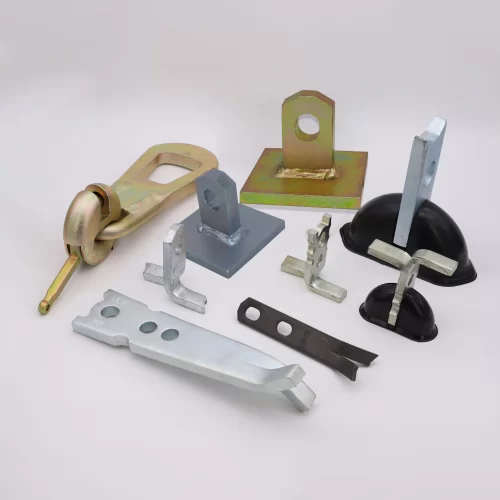
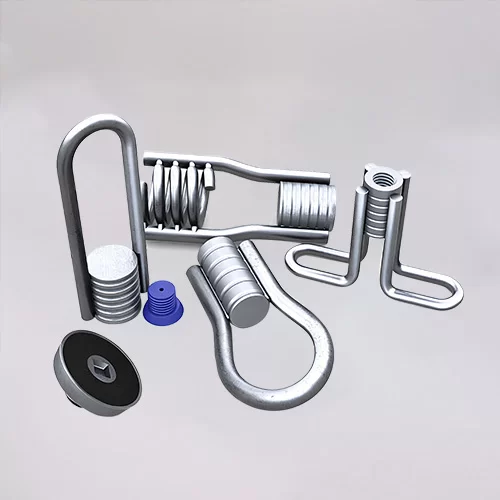
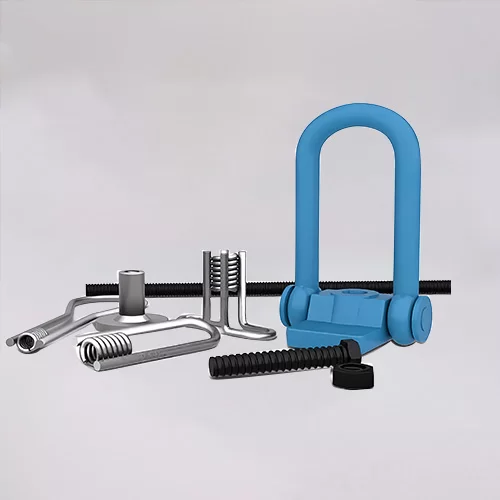
You can click to learn more about HULK Metal precast concrete accessories such as lifting anchors, precast sockets, spread anchors, shuttering magnets, cast-in channels, wire loop boxes, and other precast concrete accessories you might want to know.